Lexus V8 Engine for Sale for Cars
Find Quality Engines for Sale: What to Look For
While searching for quality engines for sale, various critical factors need consideration. Buyers must consider the kind of engine that fits their power requirements and fuel preferences. In addition, understanding the engine's state and technical details is critical. A detailed evaluation of potential sellers can highlight credible options. However, the journey isn't over yet. Compatibility with the vehicle is vital, and budget considerations make more challenging the process. What additional factors should buyers remember?
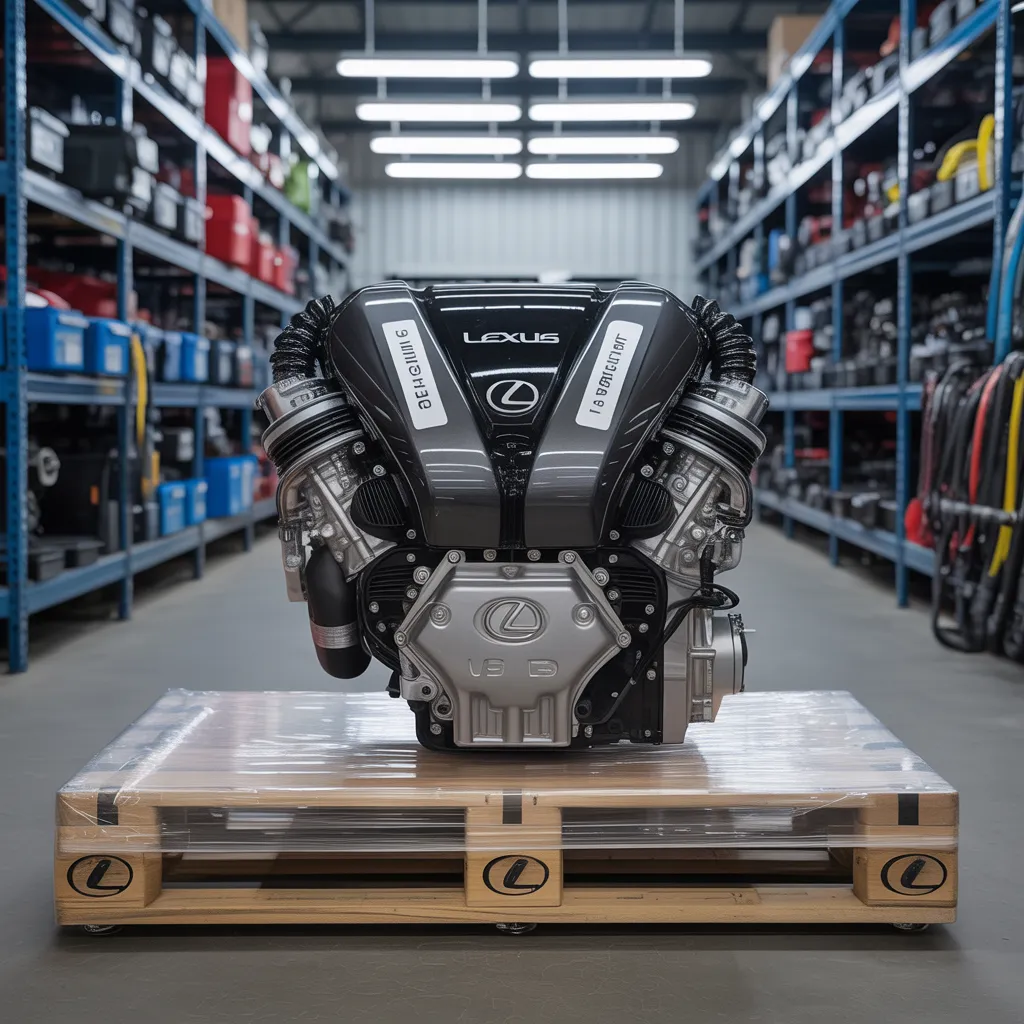
Getting to Know Distinct Engine Types: Which One Suits You?
How does one choose the appropriate engine type when making a selection? Understanding the various engine types is essential for making an informed decision. Engines are typically classified into gasoline, diesel, and electric types. Quick acceleration and high performance define gasoline engines, contributing to their widespread use in sports automobiles. Diesel engines, on the other hand, are lauded for their fuel efficiency and torque, ideal for heavy-duty applications. Electric engines are attracting attention for their ecological advantages and low upkeep costs, well-suited for urban transportation.
Furthermore, factors such as the automobile's intended use, budget, and personal preference substantially influence the choice. Enthusiasts may prioritize horsepower and speed, while others might emphasize longevity and reliability. Finally, understanding these distinctions allows individuals to pick an engine that aligns with their specific specifications, ensuring the best performance and satisfaction.
Engine State: New, Pre-Owned, or Rebuilt?
How can someone evaluate the condition of an engine when evaluating a purchase? The choice between new, used, or remanufactured engines greatly impacts longevity and performance. A new engine offers the highest reliability and warranty protection, ideal for those seeking a fresh start. However, it comes at a higher cost. Used engines can be less expensive but may involve risks associated with wear and potential hidden issues. Prospective buyers should research the engine's background, mileage, and any previous repairs to evaluate its reliability.
Remanufactured engines achieve a middle ground, delivering components brought back to factory specifications, providing a blend of quality and cost-effectiveness. It's vital to source from established sellers who provide detailed inspections and warranties. In the end, the decision rests on budget, performance expectations, and the intended application, calling for careful consideration of each engine type's benefits and drawbacks.
Important Engine Details: Capability, Capacity, and Fuel Type
Understanding engine specifications is essential for making an informed purchase decision. Key metrics such as power, size, and fuel type substantially influence an engine's performance and suitability for a given application.
Power is commonly measured in horsepower or kilowatts, delivering insight into an engine's ability to carry out tasks productively. Buyers need to assess their requirements to confirm the engine achieves or surpasses necessary power levels.
Dimensions, frequently measured concerning displacement (liters or cu. in.), impacts both performance and compatibility with existing machinery. A proper fit is critical for maximum operation and longevity.
Fuel type represents another key factor to consider. Motors can operate on gasoline, diesel, or alternative fuel sources, each offering unique advantages and disadvantages. Understanding fuel requirements can impact operational costs and environmental considerations.
Finding Trustworthy Sellers: How to Know Who to Trust?
What factors should purchasers evaluate to find reliable engine vendors? Initially, reputation serves a crucial function; potential customers should find vendors with strong reviews and recommendations from earlier buyers. Investigating digital forums and social platforms can give perspective on a vendor's credibility. Next, honesty is critical; dependable sellers should freely offer thorough information regarding the engine's past, encompassing all repair work and service documentation. Thirdly, warranty provisions demonstrate vendor assurance; a solid warranty can show a vendor's dedication to their products. Fourthly, assess the seller's background in the business; well-established companies are typically more dependable than newcomers. Lastly, good communication is crucial; vendors who reply promptly and address inquiries show expertise and client consideration. By assessing these factors, buyers can greatly reduce the risk of purchasing a subpar engine from an untrustworthy source.
Why Compatibility Matters: Guaranteeing Your Vehicle's Proper Fit
When buying a replacement engine, ensuring compatibility with the vehicle is vital. This involves matching engine specifications to the specific year, make, and model to guarantee peak performance. Proper fit not only enhances reliability but also prevents potential mechanical issues down the line.
Engine Specifications Match
Confirming that engine specifications match is crucial for ideal vehicle performance. Compatibility extends past mere physical dimensions; it encompasses vital factors such as horsepower, torque, and fuel type. An engine's displacement, for example, directly impacts the vehicle's acceleration and efficiency. Additionally, the type of ignition system and fuel delivery method must correspond to the vehicle's existing setup to avert operational issues. Mismatched specifications can result in severe consequences, including diminished performance, increased wear, or even catastrophic failure. Consequently, thorough research and comparison of specifications are essential when acquiring a replacement engine. Understanding these details not only ensures optimal functionality but also lengthens the lifespan of the vehicle, providing peace of mind for the owner.
Year, Make, Model Compatibility
The compatibility of the year, make, and model of a vehicle and its replacement engine is essential for peak performance and reliability. When searching for an engine, buyers must ensure that the engine is engineered specifically for their vehicle's specifications. This includes understanding variations in engine types, such as V6 versus V8, as well as changes in technology and emissions standards throughout different production years. Improperly matched components can cause poor performance, increased wear, and potential safety hazards. In addition, using an incompatible engine may void warranties or require extensive modifications, resulting in additional costs. Consequently, thorough research is vital to ensure that the selected engine fits the vehicle's requirements, guaranteeing optimal functionality and longevity.
Budgeting for Your Engine Purchase: What to Expect in Costs
When preparing financially for an engine investment, grasping the numerous types of engines is vital, as prices can vary considerably. Moreover, intended buyers should budget for further costs, such as labor and shipping, that may arise during the installation process. Careful financial planning assures that the whole engine purchase experience remains manageable and within budget.
Understanding Engine Varieties
Comprehending the different types of engines offered is essential for anyone seeking to budget efficiently for an engine purchase. Engines can be broadly classified into categories such as gasoline, diesel, hybrid, and electric. Gasoline engines are typically less expensive and more widespread, while diesel engines are recognized for their durability and fuel efficiency but often involve a higher initial cost. Hybrid engines merge gasoline and electric power, offering better fuel economy, while electric engines are growing popular for their low operating costs. Each type offers unique advantages and disadvantages, affecting both purchase price and see now long-term expenses. By grasping these variations, buyers can make informed choices that match their budget and performance needs.
More Costs To Think About
Creating a budget for buying an engine encompasses beyond simply the base cost of the engine itself. Purchasers need to expect additional expenses that can significantly affect the overall budget. Delivery charges can occur, especially with heavy or bulky engines, which can differ depending on distance and copyright. Installation costs are an additional factor; professional installation might be necessary, adding labor charges. Furthermore, potential upgrades or modifications might be necessary to ensure compatibility with the vehicle, incurring additional expenses. Furthermore, maintenance expenses, such as fluids and filters, must not be ignored. Lastly, warranty options could influence the price, as extended coverage can offer peace of mind but at an added cost. All things considered, thorough budgeting is essential for a successful engine purchase.
Tips for a Smooth Purchase Experience: Navigating the Buying Process
Managing the acquisition process for quality engines requires careful consideration and planning. Prospective buyers should commence by investigating reputable sellers, verifying they have favorable reviews and a solid track record. It is essential to verify the engine's history, including miles driven, maintenance records, and any previous repairs.
Subsequently, potential purchasers should ask about warranties and return policies, as these can offer peace of mind. Checking the engine in person is essential; look for indicators of wear, corrosion, or damage.
Additionally, arranging for a professional inspection can aid in detect potential issues. Understanding pricing trends can also assist in negotiating a fair deal. It's smart to set a budget that includes potential additional costs, such as shipping or installation.
In conclusion, maintain clear communication with the seller during the process to ensure transparency and trust. Following these tips can lead to a easier and more successful engine purchase process.
Frequently Asked Questions
How Should I Confirm an Engine's History Before Making a Purchase?
To check an engine's background, you should acquire its VIN (Vehicle Identification Number), inspect service records, and obtain a vehicle history report. Moreover, consulting online databases and prior owners can give important data into the engine's condition.
Do Warranties Come with Used Engines?
Yes, used engines often come with warranties available, typically covering a period of a few months to several years. Buyers should inquire about specific terms, coverage details, and whether the warranty is supplied by the seller or manufacturer.
What Is the Expected Lifespan of a Remanufactured Engine?
The typical lifespan of a remanufactured engine usually ranges from 100,000 to 200,000 miles of use, depending on maintenance and usage. With proper care, these engines can work consistently for several years, providing excellent value to proprietors.
How Can I Verify if an Engine Has Been Maintained Properly?
An engine's service history can be determined through repair records, visual assessments, usage indicators, fluid state, and periodic maintenance timing. An adequately serviced engine commonly demonstrates minor oxidation and steady oil change intervals.
Can I Return an Engine if It Doesn't Fit My Vehicle?
Return policies differ by seller; some permit returns if the engine isn't compatible, while others might not. It's important for customers to validate the specific return policy before buying to prevent possible issues down the line.